
Illness in Chickens
Raising chickens is rewarding, but like all animals, there exists the possibility of occasional illness. Whether you’re…
Raising chickens is rewarding, but like all animals, there exists the possibility of occasional illness. Whether you’re a first-time flock owner or a seasoned chicken keeper, understanding common poultry diseases—and how to spot them early—can make all the difference. At Valley Hatchery, we care about the long-term health of your birds. Here’s what you need to know about illnesses in chickens and how to keep your flock thriving.
Common Signs of Illness in Chickens
Chickens are prey animals, which means they often hide signs of weakness or illness. That’s why early detection is key. Keep an eye out for these common symptoms:
- Lethargy or lack of activity
- Loss of appetite or weight loss
- Sneezing, coughing, or nasal discharge
- Diarrhea or abnormal droppings
- Pale combs or wattles
- Labored breathing or gurgling sounds
- Isolation from the flock
- Droopy wings or balance issues
If something seems “off,” it probably is. Isolate sick birds immediately to prevent spreading illness to the rest of the flock.
Common Chicken Illnesses
1. Respiratory Infections
Examples: Infectious Bronchitis, Mycoplasma, CRD (Chronic Respiratory Disease) — These illnesses often spread quickly and may be triggered by poor ventilation or stress. Symptoms include coughing, sneezing, and nasal discharge.
2. Coccidiosis
This is a common parasitic disease, especially in young birds. Symptoms include diarrhea (sometimes bloody), weakness, and weight loss. Good sanitation and medicated feed for chicks can help prevent it.
3. Marek’s Disease
Caused by a virus, Marek’s can lead to paralysis, tumors, and death. It’s highly contagious, but vaccination (usually done at hatcheries like ours) offers strong protection.
4. Egg Bound
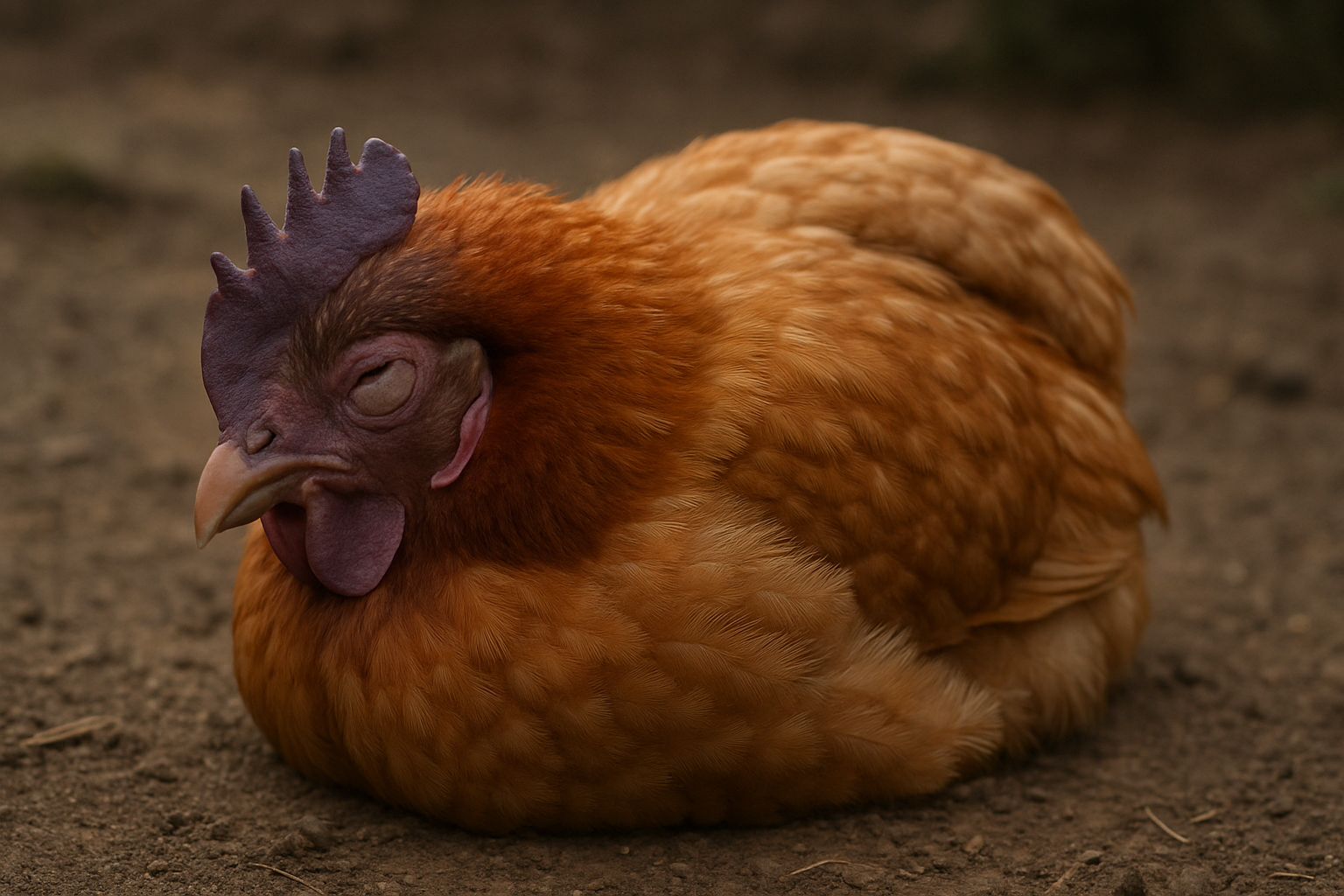
This occurs when a hen is unable to lay an egg. Signs include a puffed-up appearance, straining, and sitting in the nesting box for long periods. It’s a medical emergency and requires prompt attention.
5. Avian Influenza (Bird Flu)
Though rare in small backyard flocks, this serious viral disease is highly contagious and often fatal. Symptoms include sudden death, blue discoloration of combs, and respiratory distress.
6. External Parasites
Examples: Mites and lice — These pests can cause skin irritation, feather loss, and anemia. Regular inspections and dust baths help keep infestations under control.
7. Internal Parasites
Worms can quietly affect your chickens’ health. Look for poor weight gain, pale combs, or worms in droppings. Deworming on a regular schedule can help manage this.
Prevention is the Best Medicine
Keeping chickens healthy doesn’t have to be complicated. Follow these tips:
- Buy from reputable hatcheries. At Valley Hatchery, we offer vaccinated chicks and prioritize biosecurity.
- Clean often. Regularly clean coops, feeders, and waterers.
- Provide proper nutrition. A balanced diet supports strong immune systems.
- Quarantine new birds. Isolate any new chickens for 2–4 weeks before introducing them to your flock.
- Minimize stress. A calm, well-maintained environment lowers disease risk.
When to Call the Vet
If symptoms are severe, spreading quickly, or not improving with basic care, don’t wait—consult a poultry-savvy veterinarian or contact your county Ag extension office for advice. Prompt intervention can save lives and reduce the risk of a full-blown outbreak.

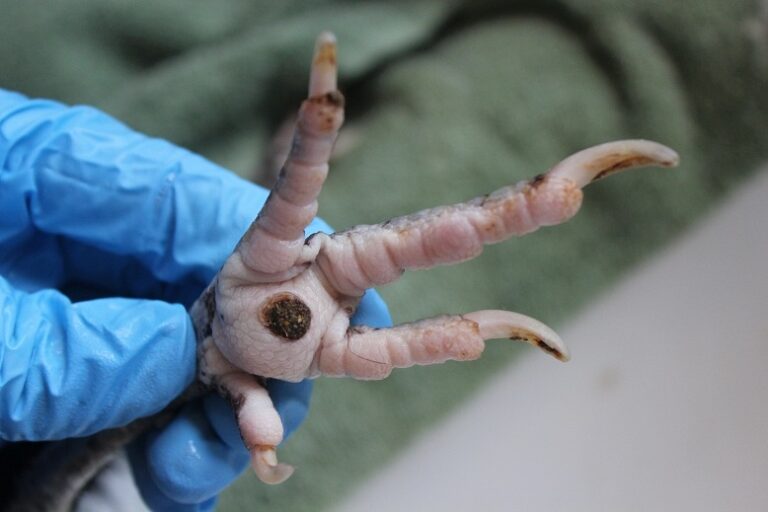
I have never had any problems in the past years till this year. I purchased 5 Speckled Sussex with 1 extra sent. All but 1 has died. They were doing great till they developed bad legs. I purchased these birds along with 14 others back on April 8, 2026. All the other breeds are doing just fine. The Sussex started developing bad legs at around 10 weeks of age. Also, I purchased 15 Cornish Cross with 3 extra sent. I lost 10 of those. I know those birds naturally have problems. But in the past I’ve maybe lost 1 or 2, nothing like this year. I don’t know if something is going on with these birds, but it’s been a disaster of a year for raising birds. I’ve been a long time customer of Purely Poultry and have always been satisfied with the quality they hatch.
Thank you for being a longtime customer and for sharing your experience with us. We’re very sorry to hear about the losses you experienced this year, especially after having such positive experiences with us in the past.
We have not received any other reports of similar issues with the Speckled Sussex from this hatch, but we certainly want to better understand what happened with your birds. The concerns you described, particularly the leg issues developing around 10 weeks of age and the higher-than-usual losses with your Cornish Cross, are important to us.
We’ll be reaching out to you directly by email so we can continue the conversation, ask a few additional questions, and see if there is anything we can do to help. We truly appreciate your years of business with us and the opportunity to work with you on this.